The Automatic Pouch and Carton Paging Labeling Machine is engineered to separate, feed, position, and label flat packaging products in one continuous process. Stacked pouches, bags, cards, sleeves, and flat cartons are automatically divided into individual pieces before entering the labeling section.
A precisely controlled label applicator places each self-adhesive label onto the required surface while the product moves steadily along the conveyor. By replacing repetitive manual separation and label application, the machine creates a faster, cleaner, and more consistent production process.
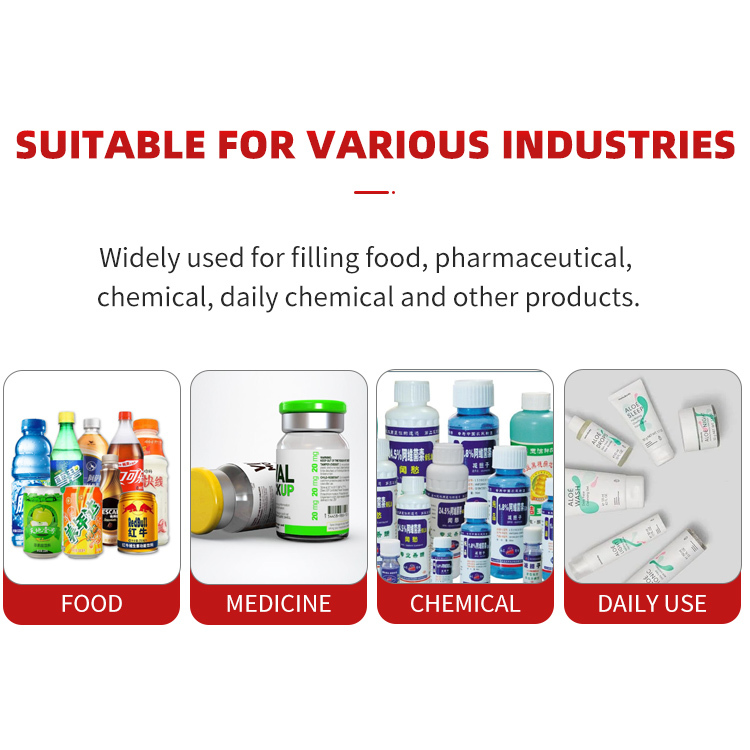
The system is suitable for plastic bags, paper bags, zipper pouches, flat cartons, cardboard sleeves, cards, envelopes, instruction sheets, and other compatible flat products. It can also be equipped with a printer for dates, batch numbers, barcodes, serial numbers, and other variable information.
-
Automatic Paging and Separation
The feeding mechanism separates stacked products individually, reducing double feeding and preparing each item for accurate label application.
-
Precise Flat-Surface Labeling
Product detection and label-control systems coordinate label dispensing with conveyor movement for consistent placement.
-
Flexible Product Compatibility
The machine can process compatible pouches, bags, flat cartons, paper boxes, cards, envelopes, sleeves, and sheet materials.
-
Stable Product Conveying
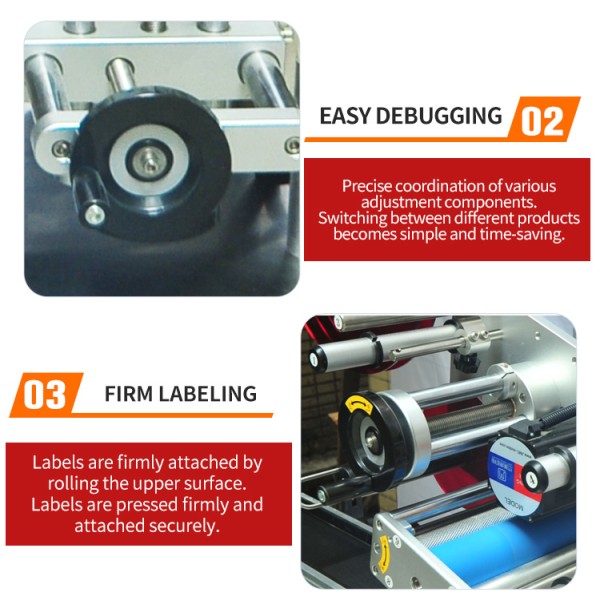
High-friction belts and adjustable guides keep lightweight products aligned and help prevent slipping, shifting, or rotation during labeling.
-
Smooth Label Application
A pressing roller, brush, or belt smooths the label against the product surface to reduce bubbles, wrinkles, and lifted edges.
-
Adjustable Operating Speed
Paging, conveying, and labeling speeds can be coordinated according to the product material, dimensions, and production target.
-
Fast Format Changeover
Adjustable guides, paging components, label sensors, and operating parameters simplify transitions between compatible products.
-
Optional Variable-Data Printing
A printing unit can be integrated to add production dates, batch codes, barcodes, serial numbers, or other required information.
-
Intelligent Product Detection
The machine applies labels only when a product is detected, helping reduce missed products and unnecessary label dispensing.
-
Flexible Production Integration
It can operate independently with manual collection or connect with counting, inspection, printing, sorting, and downstream packaging equipment.
-
1. What is a paging labeling machine?
It is an automatic system that separates stacked flat products one by one and applies a self-adhesive label as each product moves through the labeling station.
-
2. What products can the machine label?
It can label compatible plastic bags, paper bags, zipper pouches, flat cartons, cards, envelopes, sleeves, sheets, and other flat products.
-
3. What is the difference between a paging labeler and a top labeler?
A paging labeler separates stacked products before labeling. A standard top labeler normally receives products that have already been individually spaced on a conveyor.
-
4. Can it label both empty and filled pouches?
It is primarily suited to empty or relatively flat products. Filled pouches can be labeled when their shape, thickness, and surface remain sufficiently stable.
-
5. Can it handle thin plastic bags?
Yes. The paging mechanism, belt friction, guides, and feeding speed can be adjusted for suitable thin bags, although actual samples should be tested before final configuration.
-
6. Can it apply labels to both sides?
A standard machine normally labels one surface. Two-sided labeling may require a second applicator, a turning mechanism, or an additional labeling process.
-
7. Can a printer be added?
Yes. A compatible printing system can be integrated to print dates, batch numbers, barcodes, serial numbers, or other variable data before label application.
-
8. What factors affect labeling accuracy?
Product flatness, feeding consistency, conveyor stability, sensor position, label quality, roll tension, and correct machine adjustment all influence placement accuracy.
-
9. How is the machine adjusted for different products?
Operators can adjust the paging width, feeding pressure, guide position, conveyor speed, label position, sensor settings, and pressing mechanism.
-
10. Can the machine be customized?
Yes. The paging structure, labeling position, product range, label dimensions, conveyor width, printer, collection system, inspection functions, and operating direction can be customized.